
Care beneath the surface
Make Room for Your Lawn’s Roots.
Mankato lawn aeration from CI Lawn Care helps address soil compaction in established lawns. Core aeration removes small plugs of soil, leaving openings that improve access for air and water. It is one part of a lawn-care plan, especially where repeated use has made the ground harder.
A thin or struggling lawn can have several causes. Tell us about foot traffic, drainage, shade and the areas that concern you. We will discuss whether core aeration fits the property and how to plan the work alongside your regular maintenance.
Mankato Lawn Aeration for Well-Used Yards
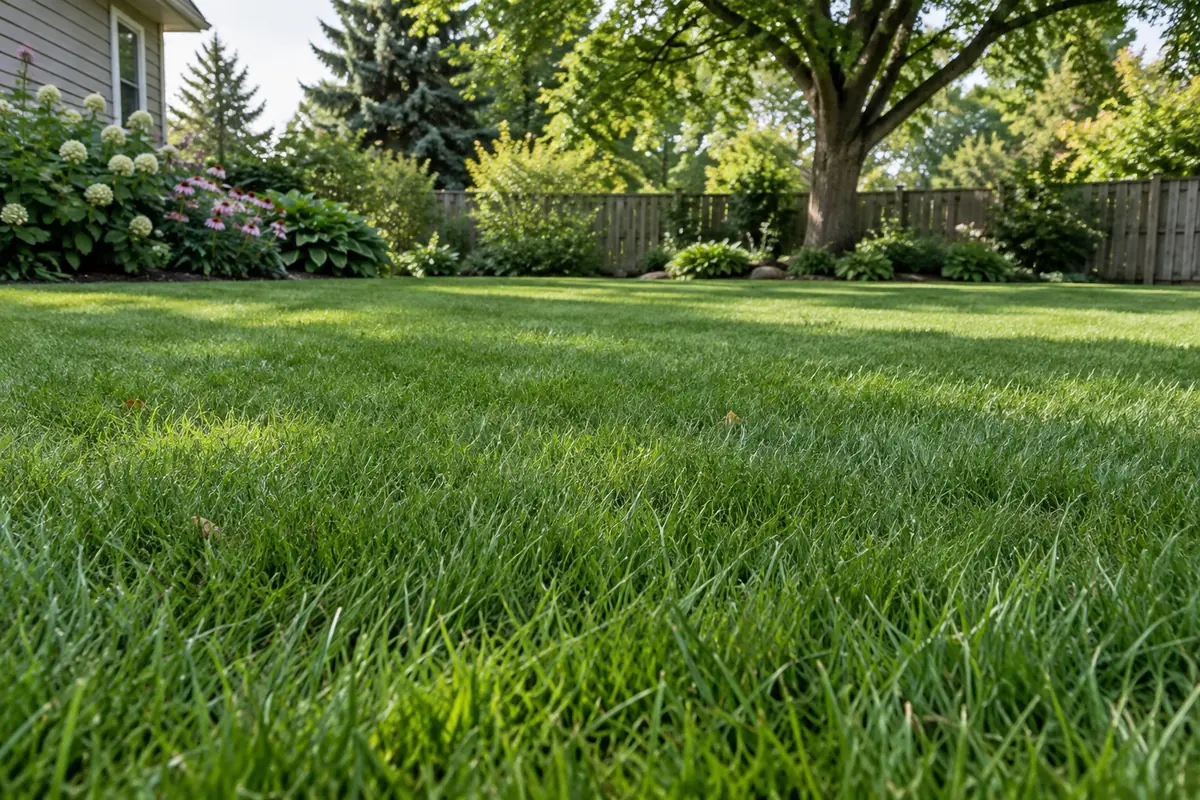
Start by identifying where the lawn gets the most use. A path between the house and garage may need a different discussion from an open area that sees little traffic. Photos and a short description of the lawn’s history help us understand what you want to improve.
We can also discuss how aeration relates to your seasonal plans. If you are considering overseeding or other lawn work, raise that before booking. Those services have their own scope and timing; they should be listed separately rather than assumed to come with aeration.
Understand What Core Aeration Does
Openings in Compacted Ground
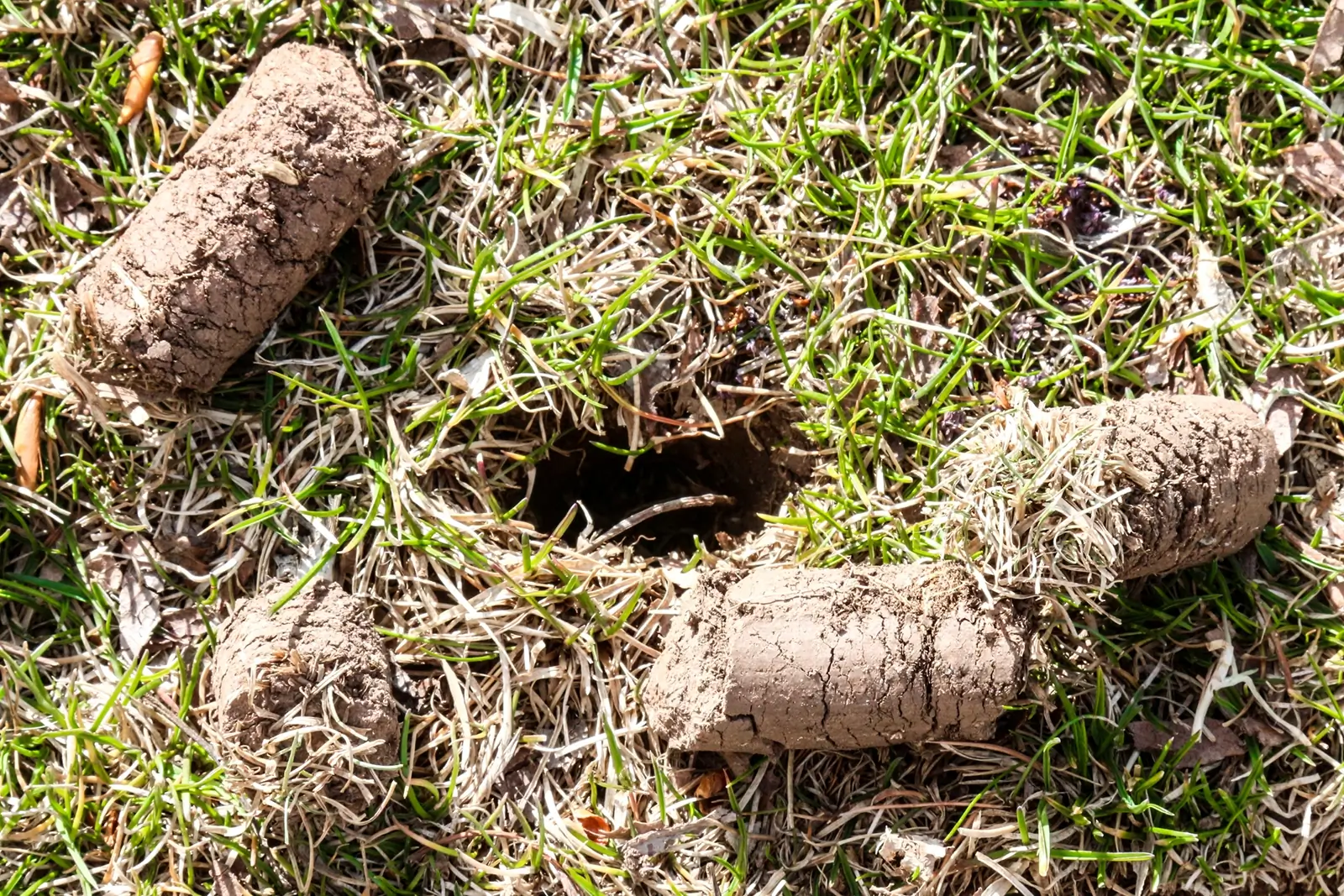
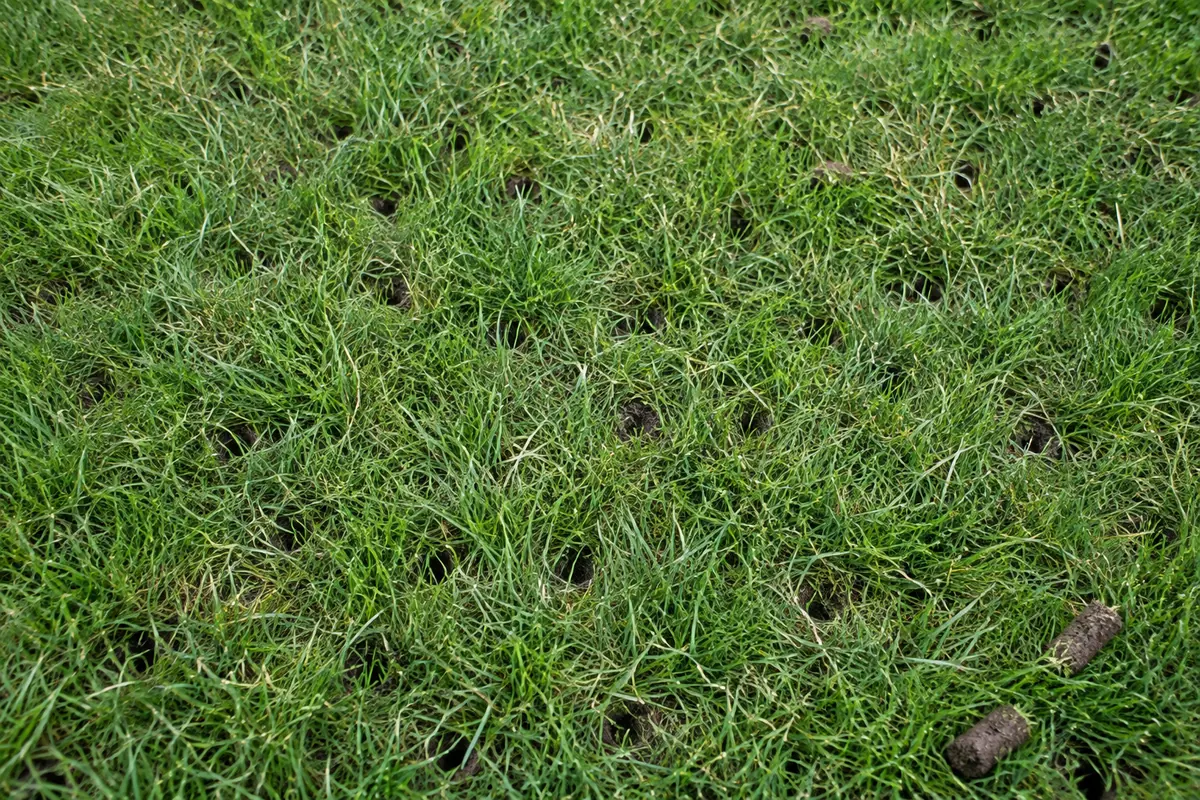
Walking routes, play areas and other repeated traffic can press soil together over time. Core aeration removes small cylinders of soil instead of simply pushing a spike into the ground. The openings create space in the root zone, helping air and water move into the soil.
A Temporary Change at the Surface
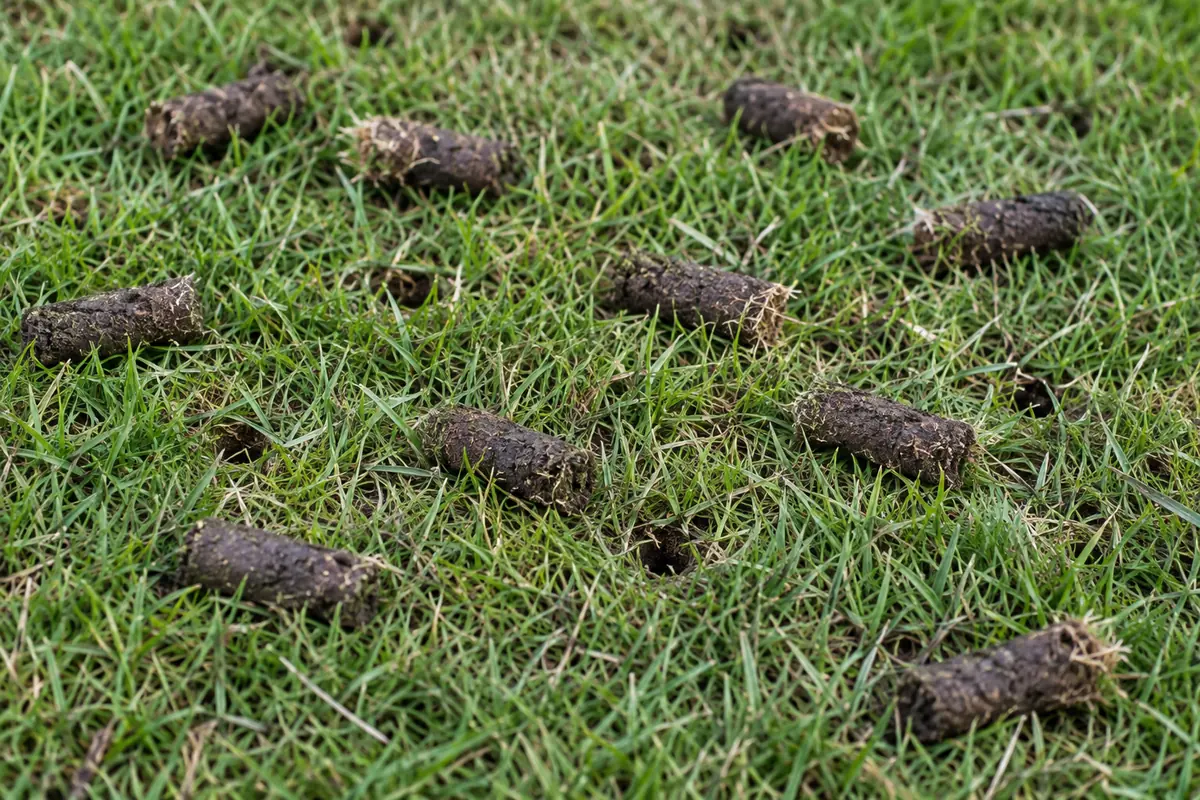
Small soil plugs are a normal part of core aeration. They are usually left on the lawn to break down. The surface will look different for a while, so tell us about upcoming outdoor events or any appearance concerns before choosing a date.
A Useful Step, Not an Instant Transformation
Aeration does not immediately turn thin grass into a dense lawn. Shade, mowing practices, soil conditions and other factors still matter. If your main concern is standing water, widespread bare ground or another persistent problem, describe it so the care plan can address the right issue.
A little planning helps
Timing Matters as Much as the Treatment
For Minnesota’s cool-season lawns, late summer into early fall is generally a useful window for core aeration. The right date still depends on weather, soil moisture and the condition of the grass. Frozen, saturated or very dry ground may not be suitable for the planned work.
Ask about current scheduling before building other lawn projects around a visit. We can discuss property preparation and whether the timing suits your lawn. For local seasonal guidance, see the University of Minnesota lawn care calendar.
Mark What Is Below the Grass
- Your address and the lawn areas you would like aerated.
- Sprinkler heads, shallow lines, invisible fencing and other known buried features.
- Gate widths, slopes and access restrictions.
- Soft ground, exposed roots or areas that should be avoided.
- Any planned seeding, events or other work that affects timing.
Confirm mowing and watering preparation when the visit is arranged. Remove toys, hoses and loose items, and keep pets secure. Make sure known irrigation and other vulnerable features are clearly identified before equipment enters the lawn; tell us if their positions are uncertain.
Close to home
Serving Our Local Communities
Our team welcomes lawn-aeration inquiries from Mankato and nearby communities. Send us your address, access details and the areas you would like assessed so we can confirm availability.
 Mankato
- North Mankato
- Eagle Lake
- Saint Peter
- Kasota
- Skyline
Before your first visit
Common Lawn Aeration Questions
Learn more about planning a visit and what to include in your request. For help with your property, send us a few details.
How is core aeration different from dethatching?
Core aeration removes small plugs of soil to address compaction. Dethatching addresses the layer of material that can build up between the green grass and soil. They serve different purposes. Tell us what you see in the lawn rather than assuming both treatments are needed.
When is a good time to aerate in Minnesota?
Late summer into early fall is commonly preferred for cool-season lawns. Conditions still matter, including moisture and the health of the grass. Ask about the current schedule and your property before choosing a date or coordinating aeration with another treatment.
Will the soil plugs be removed?
Soil plugs are normally left on the lawn to break down naturally. They are an expected result of core aeration, not loose material overlooked during cleanup. If their temporary appearance is a concern, discuss it before booking and plan around outdoor events.
Can I have the lawn seeded at the same time?
Ask about seeding when requesting your estimate. Aeration and seeding can be part of a broader lawn plan, but they are separate services with their own requirements. Confirm availability, the proposed seed work and any preparation or follow-up care before proceeding.
Will aeration fix every drainage problem?
No. Aeration may help where compacted surface soil is part of the issue, but grading, persistent saturation or other drainage conditions may need a different approach. Describe where water collects and how long it stays so the discussion starts with the actual problem.
What should I do before the visit?
Clear movable items, arrange access and identify sprinkler heads, shallow lines and other vulnerable features. Confirm any mowing or watering instructions with us when scheduling. Point out areas that should be skipped, including soft ground or places where buried features are not clearly located.