
Grass clippings do not automatically belong in a collection bag. On an established Mankato lawn, the better choice depends on the amount of material left behind, how evenly it is distributed, and whether it will settle into the grass. A light scattering and a heavy windrow need different responses.
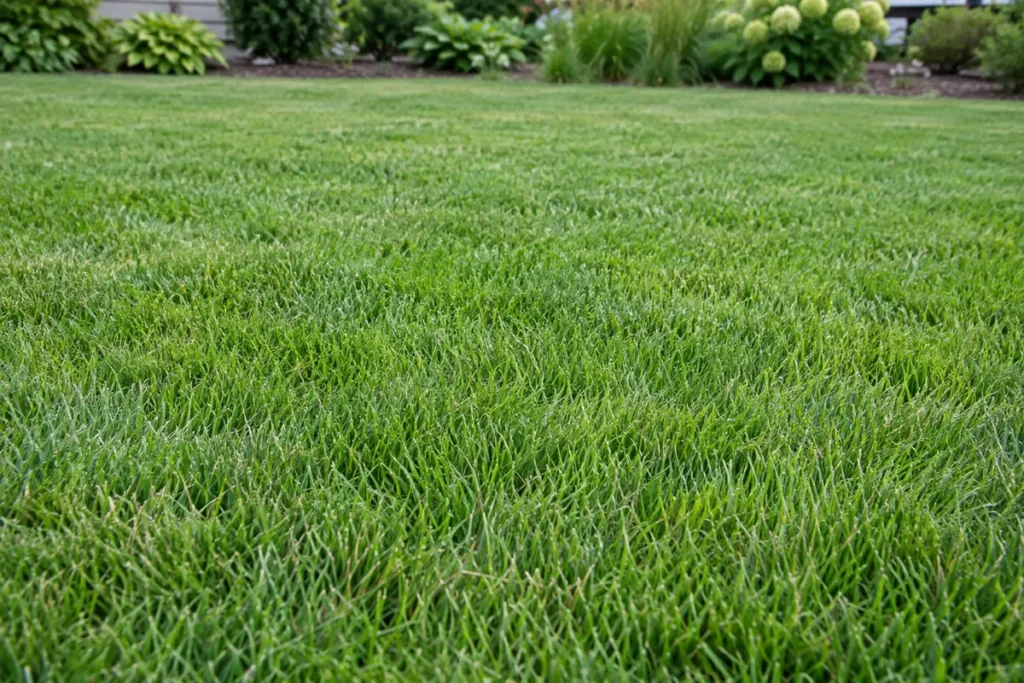
If you are comparing mowing services or changing your own routine, ask how clippings will be handled. The answer should account for the lawn in front of you, along with the finish you want on the sidewalk, patio and driveway.
When grass clippings can stay
The University of Minnesota Extension explains that short clippings normally break down quickly and return nutrients to the soil. Returning clippings also does not create thatch. That distinction matters because a visible scattering of fresh grass is different from a built-up layer beneath the green growth.
After a cut, look across the lawn from more than one direction. Individual short pieces that settle between standing blades are different from ropes of material lying on top. Pay particular attention to turns, narrow spaces and areas where the grass was longer than the rest.
When collecting makes more sense
Wet grass and overgrown turf can leave clumps that shade or smother the grass beneath. Extension recommends removing excessive material in those situations. Collection may also be appropriate for some lawn disease problems, so a known diagnosis should be shared before the next visit.
Tell your mowing provider if a section has been missed for several weeks, if recent rain has delayed cutting, or if a previous cut left piles. Those details help set expectations. Our guide to mowing after rain explains what to observe when moisture delays a cut. Do not assume that the clipping plan for a regularly maintained front lawn will suit a much taller area behind a fence.
Keep the decision separate from mowing height
A request for fewer visible clippings should begin with the maintenance schedule, rather than a request to cut the lawn extremely short. Discuss how quickly different parts of the yard grow and whether the current interval still fits. A provider needs to know about fast-growing strips as well as thin or shaded spaces. If you are also concerned about buildup beneath the grass, read our thatch assessment guide before treating the two issues as interchangeable.
Our lawn mowing service is a useful place to start that conversation. Describe your property and the result you want. Scheduling and the scope of collection should be clear in the estimate, particularly if the first visit involves longer grass.
Give the hard surfaces a separate check
Clippings on a sidewalk are not serving the same purpose as clippings returned to turf. University guidance recommends keeping grass material out of curbs, gutters and storm drains. A finished mowing job should include attention to where loose material has landed.
Walk the route from your front door to the driveway and note corners where debris collects. If grass has also grown over the concrete boundary, ask about sidewalk edging. Edging defines that boundary; discussing it separately makes the desired finish easier to understand.
Think before moving clippings into garden beds
If the lawn has received an herbicide treatment, check the product label before using its clippings elsewhere. Extension cautions that recently treated clippings can harm garden plants. Keep a record of treatment dates and share it with anyone handling the material.
Also decide where collected material should go before work starts. Tell us whether you have a designated compost area or need removal discussed. The handling arrangement, access through gates and any staging area should be part of the plan, rather than a surprise after the mowing is finished.
A useful request for your next estimate
Include photos of the whole yard and any heavy clumps, mention the last mowing date, and identify the paths you want left clear. A photo taken close to the grass helps show the material, while a wider view gives useful context about the space.
For the research behind these recommendations, read UMN Extension’s guide to lawn clippings. When you are ready to discuss regular mowing and the finish around your property, request a free estimate from CI Lawn Care.