
Lawn puddles after heavy rain can begin in very different ways. Water may collect in a shallow depression, arrive from a roof outlet or remain where the ground drains slowly. Before scheduling work on a Mankato lawn, trace the route the water takes.
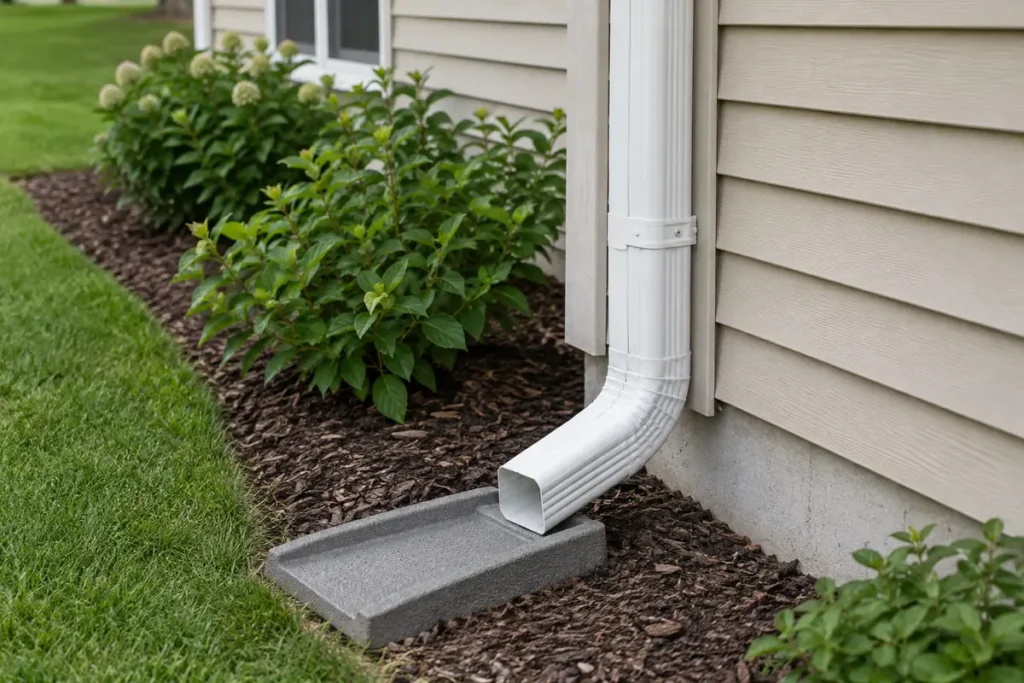
A photograph of the puddle is a useful start. A second photograph showing the downspout, surrounding slope and nearby pavement is often more informative. Together, they help explain the setting without requiring you to name the cause.
Start while the pattern is visible
Observe the property from a dry path or window during and after rain. Note when water first appears and where it moves. Avoid walking across soft areas just to take a closer picture. A wide view can preserve the information without adding footprints to the wet ground.
Mark the location on a basic sketch. Include roof outlets, low spots and routes across the yard. Then add a note when the standing water disappears. Repeated records help distinguish an isolated response to a large storm from a place that stays wet after ordinary rainfall.
Four questions that narrow the conversation
- Does water enter from a visible source, such as a downspout?
- Does the same low area fill every time?
- Is the wet spot also a regular walking or access route?
- Does the surrounding grass look different after the water has gone?
Answer what you can observe. Leave unknown details open. For example, the fact that water stands beside a path does not prove that the soil is compacted. Our guide to compacted lawn soil explains why several clues should be considered together.
Ponding and flooding are different starting points
University of Minnesota Extension distinguishes ponding in poorly drained or depressed areas from lawns flooded by heavy rain or overflowing waterways. It also explains that warmer standing water can damage turf more quickly. The amount of damage depends on conditions, so appearances alone cannot establish whether grass will recover.
If water brought sediment or material from outside the property, document that as well. A lawn maintenance estimate should not assume that an ordinary puddle and a flood-deposited layer require the same work. Explain where the water came from before asking for cleanup or repair advice.
Check the roof-water route
A downspout deserves its own observation. Watch where water leaves the outlet and whether it immediately returns toward the home or gathers on the lawn. Keep notes about visible overflow along the gutter too. A problem seen at ground level may involve more than one part of the route.
Ask about gutter cleaning when leaves or other buildup may be involved. Cleaning is separate from repairing damaged components or changing discharge arrangements. Our gutter observation guide outlines useful details to share before requesting that service.
Decide what lawn work can address
Core aeration can be part of a plan for compacted soil, but it is not a universal answer to standing water. A depression, grading issue or drainage system concern may require different expertise. Ask about the cause before treating the puddle itself as the diagnosis.
When discussing lawn aeration, send photos and describe how the ground behaves after rain. Extension recommends waiting until flooded lawns are dry underfoot before carrying out aeration work. Suitable ground conditions should guide a visit, rather than pressure to work immediately after the water recedes.
Keep a useful record for the next step
Save the rain date, photos and approximate time the area stayed wet. Add any changes to outlets or nearby landscaping. Include access routes and any gates that affect a future visit. Also identify spaces where you have already requested specialist advice. If the problem repeats, this record gives an adviser a better starting point than a general description of a soggy yard.
Read UMN Extension’s flooded lawn guidance and guide to wet-area turf damage. For the aeration or gutter-cleaning portion of your maintenance plan, request a free estimate and describe the observations you have collected.