
A lawn soil test can answer questions that a photograph cannot. It gives Mankato homeowners a clearer starting point when deciding whether the soil needs an amendment. However, a laboratory report is only one part of understanding a lawn that looks thin, uneven or slow to recover.
Before buying another product, separate the questions you want answered. Soil chemistry, shade, traffic and standing water are different issues. A useful plan combines the right test with a record of what happens on the property.
What a standard test can tell you
University of Minnesota Extension says its regular soil test reports pH, organic matter, estimated texture, phosphorus and potassium. Additional tests are available for specific questions. Check the laboratory’s current submission instructions before collecting a sample or selecting an extra analysis.
Write your main question on your own notes before you begin. For example, you may want to understand an unfamiliar property or establish a baseline before changing part of the yard. That goal helps you keep the report useful instead of treating every number as a reason to add something.
What a test will not explain by itself
A sample from the soil does not show the hours of shade along your north fence. It also does not document where a delivery route crosses the lawn or how a downspout behaves during rain. Save those observations beside the report so they remain part of the discussion.
For a shaded area, use our guide to grass under trees. For a busy route, review the observations in our compacted soil guide. These records help prevent a soil result from becoming an explanation for every visible symptom.
Prepare the sample carefully
Extension recommends collecting representative soil from several locations and mixing the subsamples. Follow the lab’s current directions for your lawn and requested test. A careful sampling method matters because the report describes the submitted material, not an independent inspection of the whole property.
Decide which area you are trying to represent. Keep a sketch and label your records clearly. If two parts of the yard have very different histories, ask the lab or an Extension adviser how best to sample them. Guessing about the sampling area can make the eventual comparison less useful.
Build a record you can use again
- Keep the submission date and the laboratory report together.
- Record the part of the lawn represented by each sample.
- Save photographs of the lawn taken near the sampling date.
- List products or amendments already applied, with dates if available.
- Note changes in traffic, shade or watering.
- Use a comparable season when repeating tests for a useful comparison.
A folder on your phone is enough. Clear filenames and a simple property sketch can be more helpful than an elaborate spreadsheet you never update. Keep the original report as well as any notes from the person who helped interpret it.
Turn the report into specific questions
Ask which findings need action and which do not. Avoid adding a product just because its label mentions soil health. The purpose of testing is to make a better decision about the particular site, including the decision to leave something alone.
Also ask which concerns remain outside the report. If a low area stays wet or one section is heavily shaded, keep that on the list. A chemistry recommendation should not erase an unresolved site observation simply because the report offers a clear set of numbers.
Coordinate testing with routine lawn care
If you are planning separate soil work, tell your mowing provider about sample locations, markers and any areas temporarily excluded from service. When discussing lawn mowing, share the maintenance priorities that matter while you investigate the underlying issue.
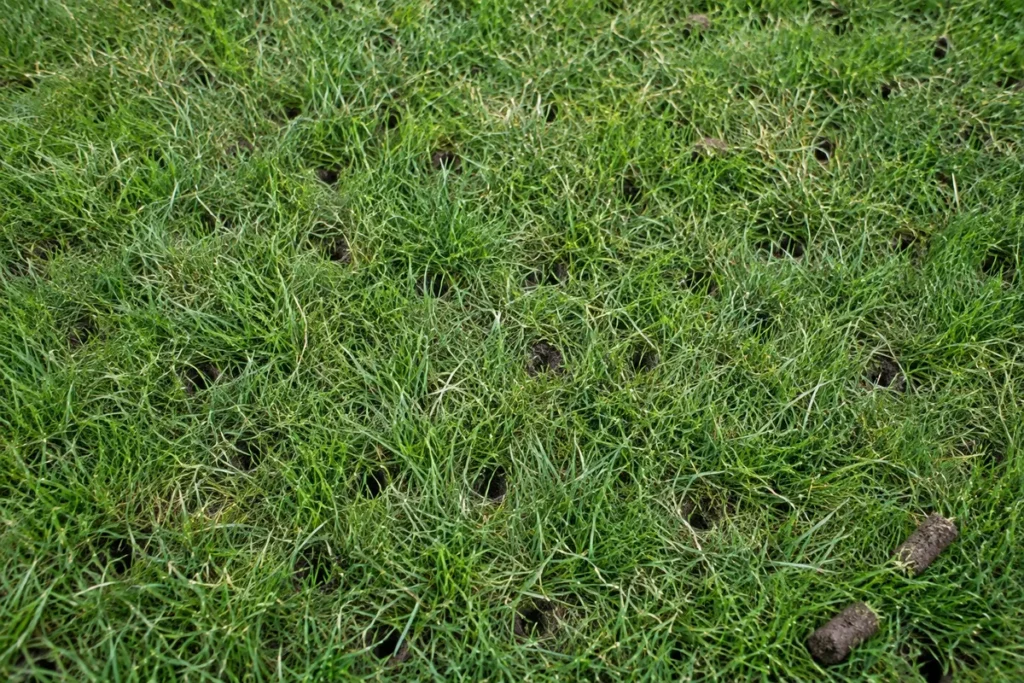
Likewise, an inquiry about core aeration should describe the ground conditions and your goals. A soil report does not automatically mean aeration is needed. Ask for an estimate based on the service you want rather than assuming the visit includes testing or fertilizer application.
Read UMN Extension’s soil testing overview and sampling guide. For mowing or aeration maintenance, request a free estimate from CI Lawn Care.