
Grass under trees often needs a different conversation from grass in the middle of an open yard. A Mankato property may look thick near the street and thin beneath a mature canopy. Repeating the same maintenance across both spaces can miss the reason they behave differently.
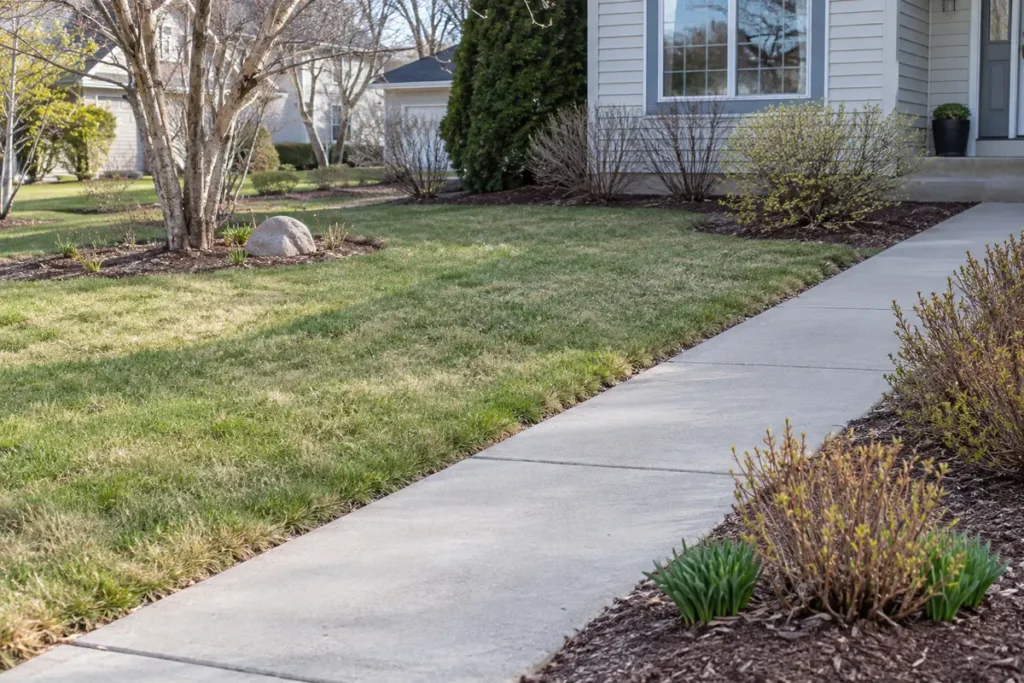
Begin by describing the shaded area as its own growing space. Look at light, moisture, traffic and the history of the tree. You do not need to identify every grass species before collecting information that will make the next decision more useful.
Shade is more than a darker patch
University of Minnesota turf researchers explain that foliage changes both the amount and the quality of light reaching grass. A building’s shadow and a tree canopy are therefore not identical conditions. The grass species present can also affect how well a shaded lawn performs.
When you photograph the site, include the canopy and nearby structures. A close view of thin grass leaves out that context. Take pictures at different points in the day if possible. This creates a practical record of the space without requiring a technical light measurement.
Compare conditions before changing watering
UMN guidance notes that shaded turf may remain wet longer and that overwatering can contribute to decline. At the same time, tree roots can compete for available moisture. The useful response is observation, rather than deciding that every shaded area is either too wet or too dry.
Record what happens after rain and before your next planned watering. Does the surface stay damp? Is a roof outlet nearby? Does one edge dry much faster than the rest? Our watering guide for established lawns helps organize those questions.
Notice how people use the area
A shaded corner may also be the shortest route to a gate, garden or shed. Sketch that route and compare it with the shape of the thin grass. This does not prove traffic is the only cause. It does show a practical detail worth discussing before you repeat a repair.
Think about the use you want to preserve. You may need reliable access through the area more than you need an uninterrupted lawn. If you are considering a separate landscape change, make that intention clear when arranging maintenance around the site.
Questions to ask before buying more seed
- Which part of the area actually receives useful light?
- Has the canopy become denser since the lawn was established?
- Did the thinning begin before or after another property change?
- Is the ground regularly used for access?
- Does the existing watering routine fit this location?
- What result is realistic for the way you use the space?
For a separate seed project, discuss species suited to the site with a knowledgeable supplier or Extension adviser. Our late-summer seeding planning article explains why preparation and follow-through deserve attention before a purchase.
Make mowing and cleanup instructions clear
Tell your mowing provider which shaded sections concern you. Include recent changes and any markers around a repair area. When discussing lawn mowing, ask how the maintenance plan will account for the lawn’s different spaces and agreed access routes.
Likewise, a tree-covered area may need a carefully defined spring cleanup request. Identify loose material you want removed and beds you want left undisturbed. Do not assume that a cleanup includes tree pruning, root work or a promise to establish grass in deep shade.
Keep the plan tied to your property
Save a wide photo, a closer turf photo and a few notes about light and moisture. Include the direction you face when taking the pictures. Date the notes and keep any earlier repair records together. A repeat photo from the same location can show whether a later maintenance change produced the result you expected.
Read UMN Turfgrass Science’s explanation of different types of shade and its homeowner questions about shaded lawns. For routine mowing or seasonal cleanup, request a free estimate with photos of the spaces you want included.