
Brown lawn patches in July can make a Mankato homeowner reach for a quick fix. However, similar-looking areas can have different causes. A dry stretch, a problem near pavement and a localized insect issue should not automatically receive the same response.
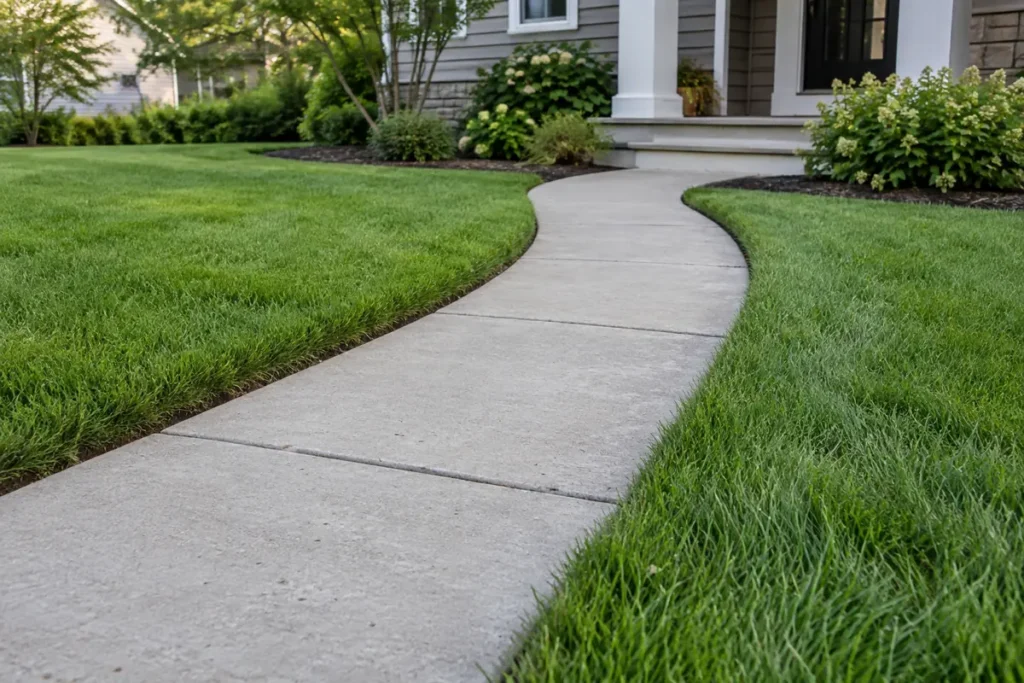
Start with a record you can explain to someone else. Note where the change began, how quickly it spread and what happened beforehand. A clear history helps you ask better questions before buying a product or arranging separate repair work.
Read the location first
University of Minnesota’s diagnostic guide separates several causes of browning near pavement, including heat and drought, winter injury and bluegrass billbug damage. The location is useful context, but it does not identify the cause by itself.
Take a photo that includes the whole patch and the nearby path, slope or planting bed. Then take a closer view. Include a healthy comparison area too. A tightly cropped picture of brown blades can leave out the most useful clue: how the affected area fits into the property.
Build a short timeline
- When did you first notice the change?
- Did the patch appear suddenly or widen gradually?
- What rain or watering occurred before it appeared?
- Was there a recent mowing, product application or property project?
- Has the same location changed in previous summers?
- Are new patches appearing elsewhere?
Answer with dates where possible. If you only know the approximate week, say that. Distinguishing a new July pattern from damage visible since snowmelt can make the next conversation more productive.
Do not assume every summer patch is dormancy
Heat and drought are common considerations, but a brown patch is not proof of either. Compare it with the wider lawn and its recent response to weather. Our dormant-or-dead lawn guide explains why color alone cannot establish whether grass will recover.
Similarly, adding water everywhere may conceal useful differences between spaces. Record how the affected area behaves before changing several parts of the routine at once. Our established-lawn watering guide provides a way to review that routine.
Why insect identification needs its own evidence
UMN Extension reports that bluegrass billbug damage is often visible in July and August. It can create irregular yellow, brown or straw-colored areas, including near pavement. That resemblance to other summer problems is a reason to seek identification before choosing a treatment.
Ask an appropriate adviser what evidence is needed. Keep dated photos and describe the boundary between affected and healthy grass. Do not assume that any insect found nearby caused the damage, or that a pesticide is warranted because one possible cause appears in a checklist.
Keep your mowing provider informed
If a section is changing quickly, point it out before the next visit. Mention any markers, repair areas or separate advice you are following. A brief written note can help show exactly which part of the property needs attention.
When arranging lawn mowing, explain the maintenance priorities while the cause is being investigated. Regular mowing is a separate service from diagnosing disease or applying pest treatments. A clear request helps keep the agreed work aligned with the lawn’s current condition.
Plan future work after the cause is clearer
A patch may prompt questions about soil, traffic or a future repair project. Keep those questions separate from the initial observation. If someone recommends additional work, ask what finding supports it and what result is realistic for the site.
For example, an inquiry about core aeration should describe the soil concerns and suitable timing. Aeration should not be sold as a universal remedy for every brown area. An unresolved patch may need further investigation before that maintenance task fits the plan.
Use the evidence you have collected
Save the original pictures as well as later comparisons. Keep the timeline with them so you can share one clear account. This is particularly useful if the lawn looks different by the time an adviser sees it.
Review UMN’s pavement-edge diagnostic guide and bluegrass billbug information. For routine maintenance after discussing your priorities, request a free estimate from CI Lawn Care.