
A fall yard cleanup can make the property easier to use while leaving selected habitat in place. The key is deciding where each goal belongs. A clear front walk, an open lawn and a quiet planting bed do not need identical instructions.
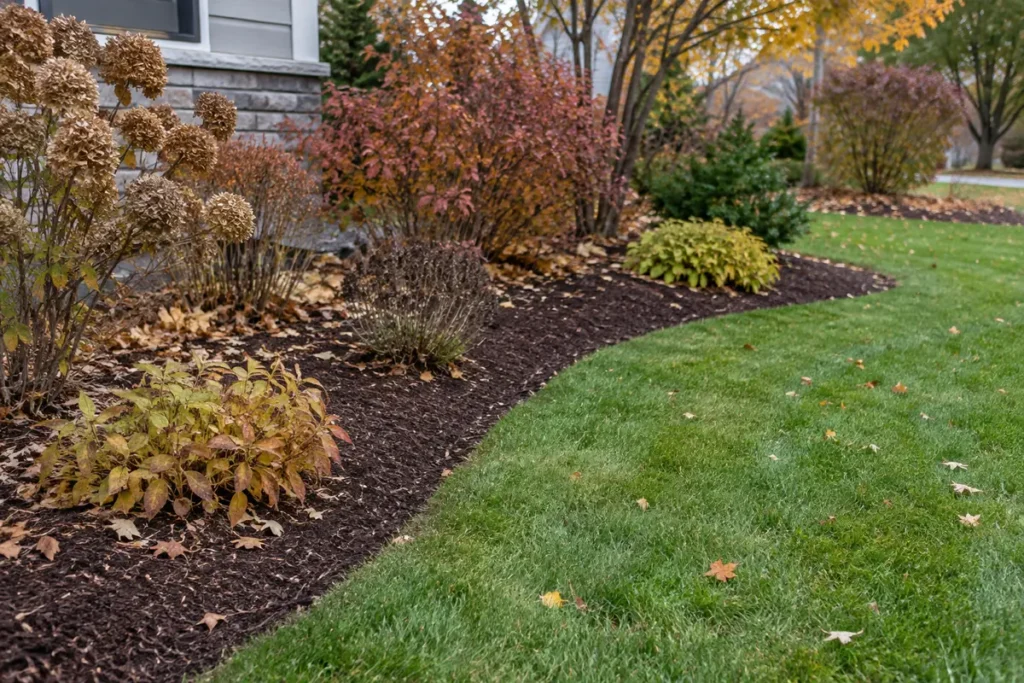
Late summer is a useful time to make those decisions in a Mankato yard. Plants are still recognizable, access routes are visible and you can explain which spaces matter to you. That preparation makes an eventual cleanup request much more precise.
What retained habitat can include
University of Minnesota Extension explains that native bees use different nesting spaces, including ground and hollow stems. Its guidance encourages selected natural habitat such as leaves, bare ground and retained stems. The goal is a deliberate place for habitat, not an undefined decision to leave the whole property untouched.
Walk your planting beds and identify areas you want preserved. Take wide photographs while the plants are easy to recognize. If a particular plant has special care needs, note that separately rather than assuming one cleanup instruction suits every species.
Make a simple property map
Use a photo, printed sketch or note on your phone. Mark three practical groups: spaces to clear, spaces to retain and spaces requiring a conversation first. These are work instructions, so use labels that someone else can understand without knowing your garden.
- Clear the main walking route and agreed lawn areas.
- Retain the selected bed behind the patio.
- Leave marked stems and seed heads in place.
- Discuss the leaf layer around specific plants before changing it.
- Identify where collected material may be staged.
- Show the property boundary beside a shared path.
Use actual locations instead of phrases such as the natural corner. A description that feels obvious to you may be unclear to someone entering the yard for the first time.
Keep lawn cover and bed cover distinct
Retaining leaves in a designated bed does not mean leaving excessive cover over turf. University of Minnesota Turfgrass Science’s leaf mulching guidance describes collecting excess when too little grass remains visible. Our mulch-or-remove leaf guide explains that separate lawn decision.
Point out the transition between the spaces. A path, bed border or fence can make the requested boundary clear. If wind routinely moves leaves back onto the lawn, mention that history while discussing visit timing and the result you expect.
Discuss maintenance around the retained space
A habitat area can still have a clear edge beside a walking route. If that finish matters to you, identify the route and explain the look you want. Ask about sidewalk edging where lawn meets pavement rather than giving a broad instruction to cut back the surrounding bed.
Our edging and trimming comparison helps distinguish those tasks. It also makes the estimate easier to review. You can request a defined paved boundary while keeping selected stems or leaf cover beyond it.
Questions before booking cleanup
Should every leaf stay for habitat?
No single instruction fits the whole yard. Discuss where cover is intentionally retained and where material interferes with your lawn or access goals. The useful plan identifies locations and priorities rather than applying one rule everywhere.
Can I ask for a partial cleanup?
Describe the areas you want included when requesting fall cleanup. Send your map and photos, then confirm the agreed scope. Mention any delicate plants, retained stems and spaces you want left undisturbed.
What if I am uncertain about a plant?
Mark that area for discussion before work starts. Seek species-specific guidance from an appropriate garden adviser if needed. Uncertainty is easier to handle with a visible boundary and a note than with instructions to decide everything during the visit.
Keep the plan available when the season changes
Save the photos and instructions where you can find them again. Update the map if you change a planting area or decide on a different use. Before the visit, confirm that gates are accessible and move portable items from the agreed work spaces.
Read UMN Extension’s natural pollinator habitat guidance and University of Minnesota Turfgrass Science leaf mulching recommendations. To discuss a cleanup shaped around your property, request a free estimate from CI Lawn Care.