
Snow mold patches can be obvious when snow first leaves a Mankato lawn. By June, however, a bare spot deserves a new look. The fact that an area was matted in March does not prove that the same problem explains everything happening there now.
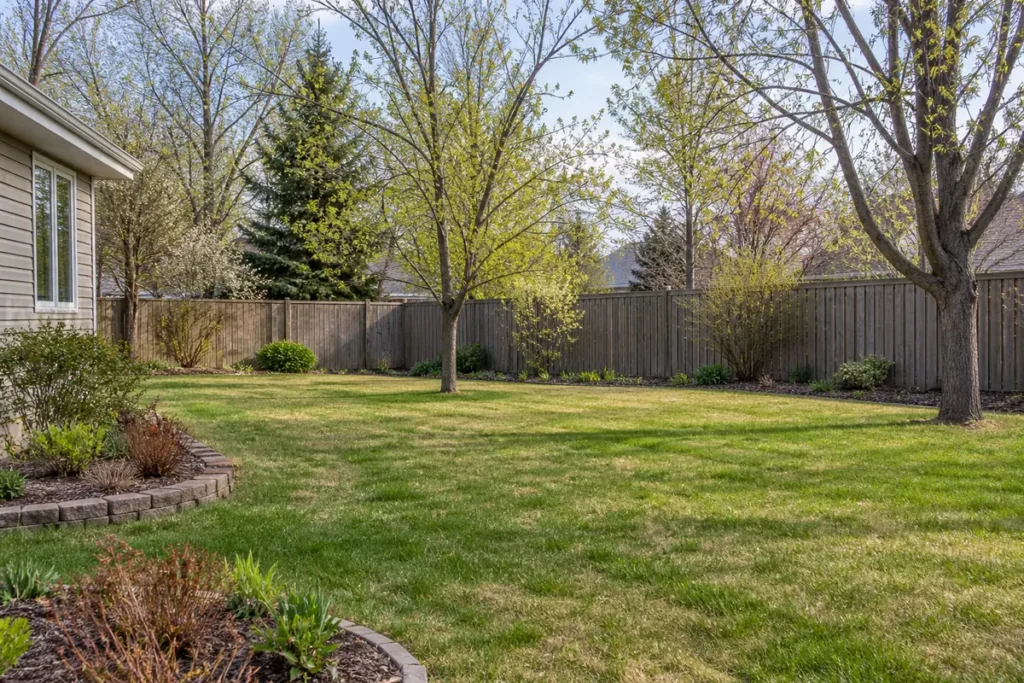
Start by comparing the location with earlier photos. Has new grass filled the space? Is the patch the same size, or is browning appearing somewhere else? That simple comparison helps separate recovery from a new summer concern.
What snow mold looks like at the right time
University of Minnesota’s diagnostic guide describes gray or pinkish patches of matted grass associated with wet conditions near freezing. UMN’s March lawn care newsletter says most affected grass can recover with time. It also suggests light raking to clear loose, dead material. An alarming appearance after snowmelt does not automatically call for an immediate treatment.
Keep the season attached to your observations. A photo taken beside the last snowbank tells a different story from a new patch near hot pavement in June. When asking for advice, give the date of each image instead of combining them into one description of a lawn that has always looked bad.
Check what remains now
Once the lawn is actively growing, identify what you are actually seeing. There may be green shoots within an old patch, loose dead material above living grass, or a genuinely bare space. Avoid scraping aggressively simply because the area looks different from the surrounding lawn.
Look beyond the center of the patch. Note shade, water movement, nearby pavement and foot traffic. A spot under a long-lasting snow pile may also have several site conditions worth discussing. Our article about thin grass under trees can help organize observations in shaded areas.
Do not keep repeating a spring response
A lawn can change between snowmelt and the first warm weeks. If the concern is growing instead of improving, ask for a fresh assessment before purchasing products. Tell the person helping you what has already been done, including raking, watering, seeding or any treatment applied by someone else.
For a practical summer comparison, use the questions in our brown lawn patches guide. The point is to record useful clues, rather than diagnose the lawn from color alone. Different causes can produce a similar view from a kitchen window.
Use routine care as an observation opportunity
A consistent maintenance routine gives you comparable views of the yard. Photograph the same spot from the same position before or after a normal mowing visit. Include a recognizable path, bed edge or fence post so changes in size are easier to judge.
When discussing lawn mowing, identify the area and explain its history. Regular mowing is a maintenance service, not a diagnosis or a promise to repair dead turf. Sharing the history helps us discuss access and the work you are requesting without making assumptions about recovery.
Plan next spring’s cleanup with better information
Extension recommends gentle cleanup once soil is no longer soggy. Keep that condition in mind for future visits. A plan that accounts for soft ground and visible damage is more useful than asking for the same aggressive treatment across every part of the yard.
Our spring cleanup service can be discussed around the debris and areas you want addressed. Mention where snow usually lingers, where leaves collect and which spaces you want left undisturbed. Confirm the included tasks rather than assuming that cleanup includes lawn repair or disease treatment.
What to send when asking for help
Gather an early-season photo, a current photo and a short list of changes you have noticed. State whether the patch has expanded and whether the surrounding lawn is growing normally. That is a useful request even when you do not know the cause.
Review University of Minnesota Turfgrass Science’s March lawn care newsletter and snow mold identification guide. For mowing or seasonal cleanup at your property, request a free estimate from CI Lawn Care.